
A nodule is a localised lump that you can feel, see, or both. After filler treatment, it may be a collection of product, an inflammatory reaction or an infection. The word describes the lump; it doesn't tell us what caused it or how to treat it.
A complication consultation is the place to start. Dr MJ will listen to your concerns, examine the area and work out what is most likely to be happening. We accept both self-referrals and practitioner referrals, wherever your original treatment took place.
Filler can collect in a small area or sit too close to the skin, producing a firm lump or visible irregularity. With collagen-stimulating products such as Sculptra, an accumulation may become more noticeable as collagen develops around it. These nodules often have normal overlying skin and little or no tenderness. They are commonly described as non-inflammatory or “cold” nodules.
The body can develop an inflammatory response around injected material. The area may become swollen, tender, red or progressively larger. This can happen months or years after treatment, even if the filler initially seemed settled. Inflammatory nodules are sometimes called “hot” nodules, although the symptoms vary.
Infection can cause a painful lump, redness, warmth, swelling or a collection of pus. Infection and inflammation can look similar and may overlap, so appearance alone does not always establish the cause. A suspected infection needs prompt assessment and a treatment plan that addresses it.
You may hear the word granuloma used for any filler lump. A granuloma is a particular type of tissue reaction, usually confirmed by examining a tissue sample. Not every nodule is a granuloma, and the label should not replace an assessment.
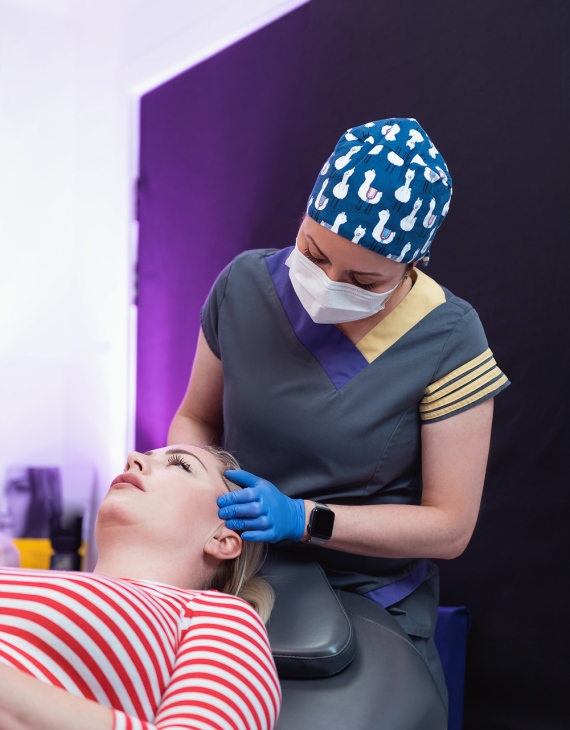
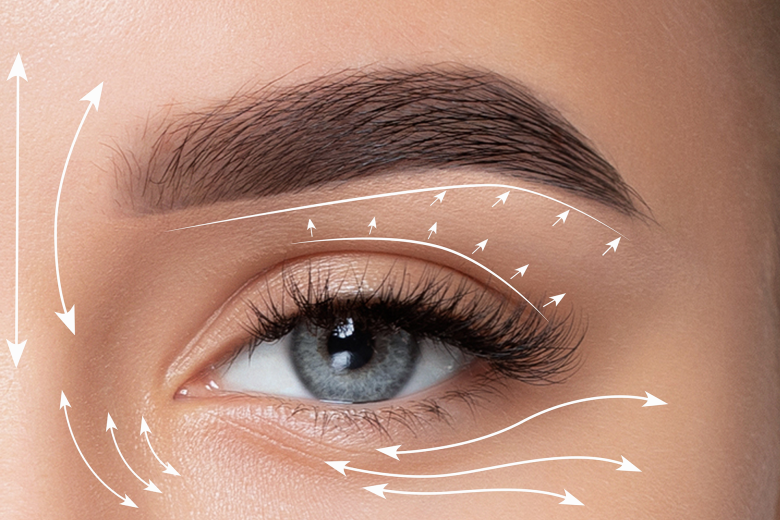
If a lump is becoming increasingly painful, red, hot or swollen, is discharging, or is accompanied by fever or feeling unwell, contact our team promptly and explain the symptoms. Dr MJ accepts urgent complication referrals, including infections, from patients and practitioners. Do not wait for a routine appointment if the problem is worsening.
Knowing which product was injected matters. If you have treatment records, product details or information about previous attempts to treat the lump, bring them to your consultation. We will also review your medical history and examine the lump and surrounding tissue.
Ultrasound can help locate the product, show the depth and extent of a nodule, assess blood flow around it and look for fluid collections. It supports the examination rather than replacing it. It cannot see every tiny deposit or establish every cause of inflammation or infection. Depending on the findings, a sample for laboratory testing, a biopsy or other investigation may be appropriate.
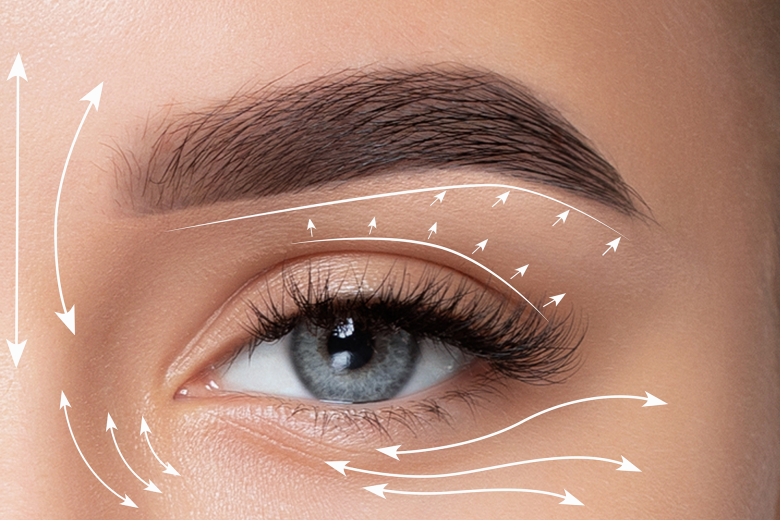
If the lump contains hyaluronic acid (HA) filler, hyaluronidase can break down that filler. This may be used without ultrasound guidance or targeted into an identifiable deposit under live ultrasound guidance. The choice depends on your assessment.
Dissolving is not automatically the whole treatment. If there is infection or an inflammatory reaction, other management may be needed, and the order of treatment matters. Removing filler may also remove volume that was improving the appearance. Dr MJ will discuss the expected benefit and any aesthetic trade-offs before treatment.

Hyaluronidase does not dissolve poly-L-lactic acid (Sculptra), calcium hydroxylapatite (Radiesse), or permanent filler materials. That does not mean a complication cannot be helped.
A non-inflammatory product accumulation and an inflammatory nodule need different approaches. Depending on the diagnosis, management may involve observation, treatment to disrupt a product accumulation, medicines to control inflammation, treatment of infection or, in selected cases, a procedure to remove the lesion. Surgery is not the starting point for every nodule. Dr MJ will explain the options, their risks and the limits of what they can achieve.

Dr MJ has treated thousands of aesthetic complications and teaches complication management and facial ultrasound internationally.
She led a consensus project bringing together nine international experts on the diagnosis and management of nodules after PLLA injections.
Her approach is to identify the likely cause and choose proportionate treatment.
Book a Consultation
Our clinic welcomes anyone who needs help, without judgement. Patients travel from across the UK, Europe and further afield. If you live far away, start with an online complication consultation to discuss your concerns before travelling. An in-person examination, with ultrasound where useful, may then be needed.
Need help choosing an appointment? Call 0151 236 5166 or email [email protected]. Follow @drmjclinic
Our team has helped many patients like you and will guide you towards the most appropriate booking. We will explain the proposed management and fees before treatment.